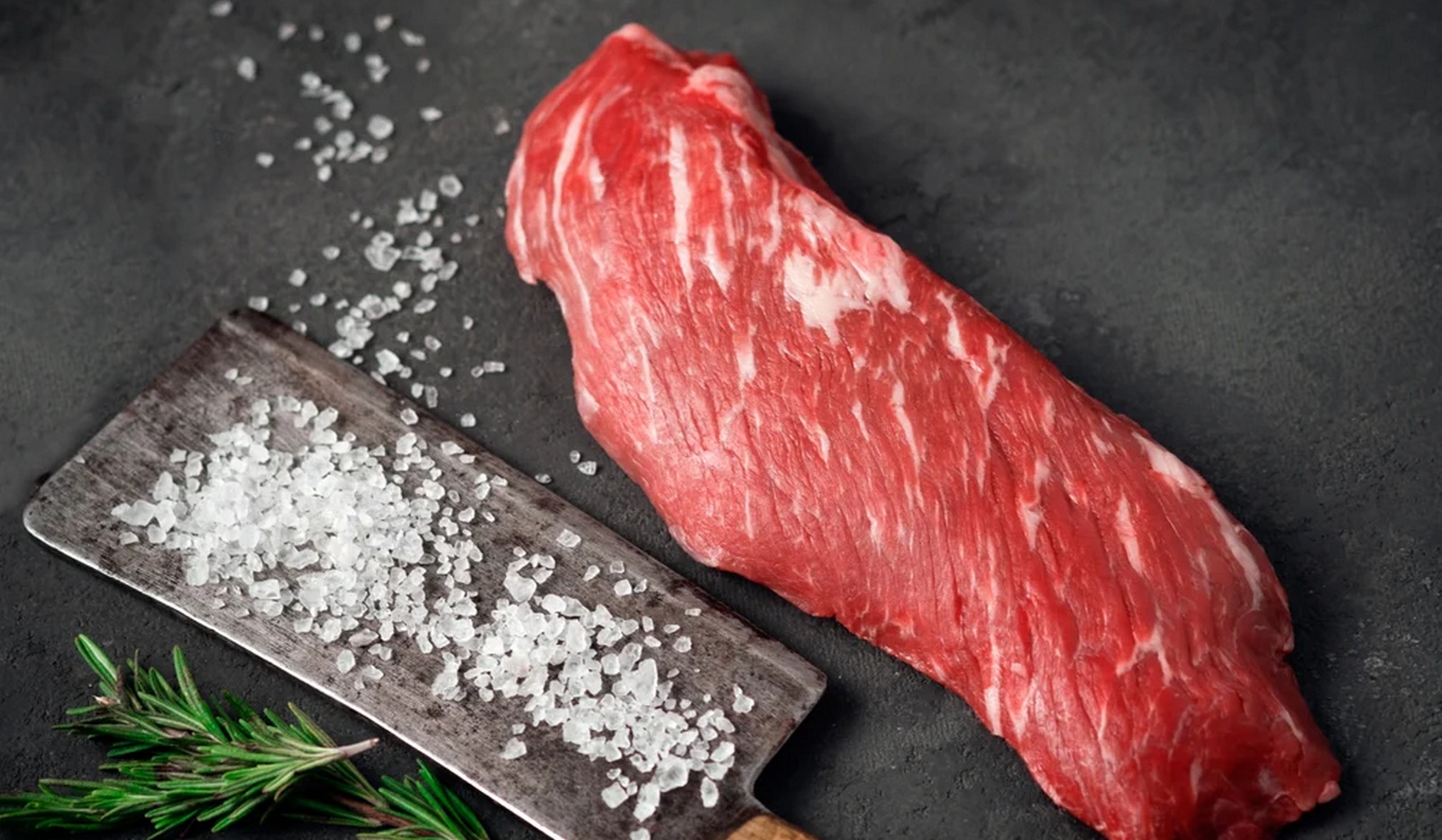
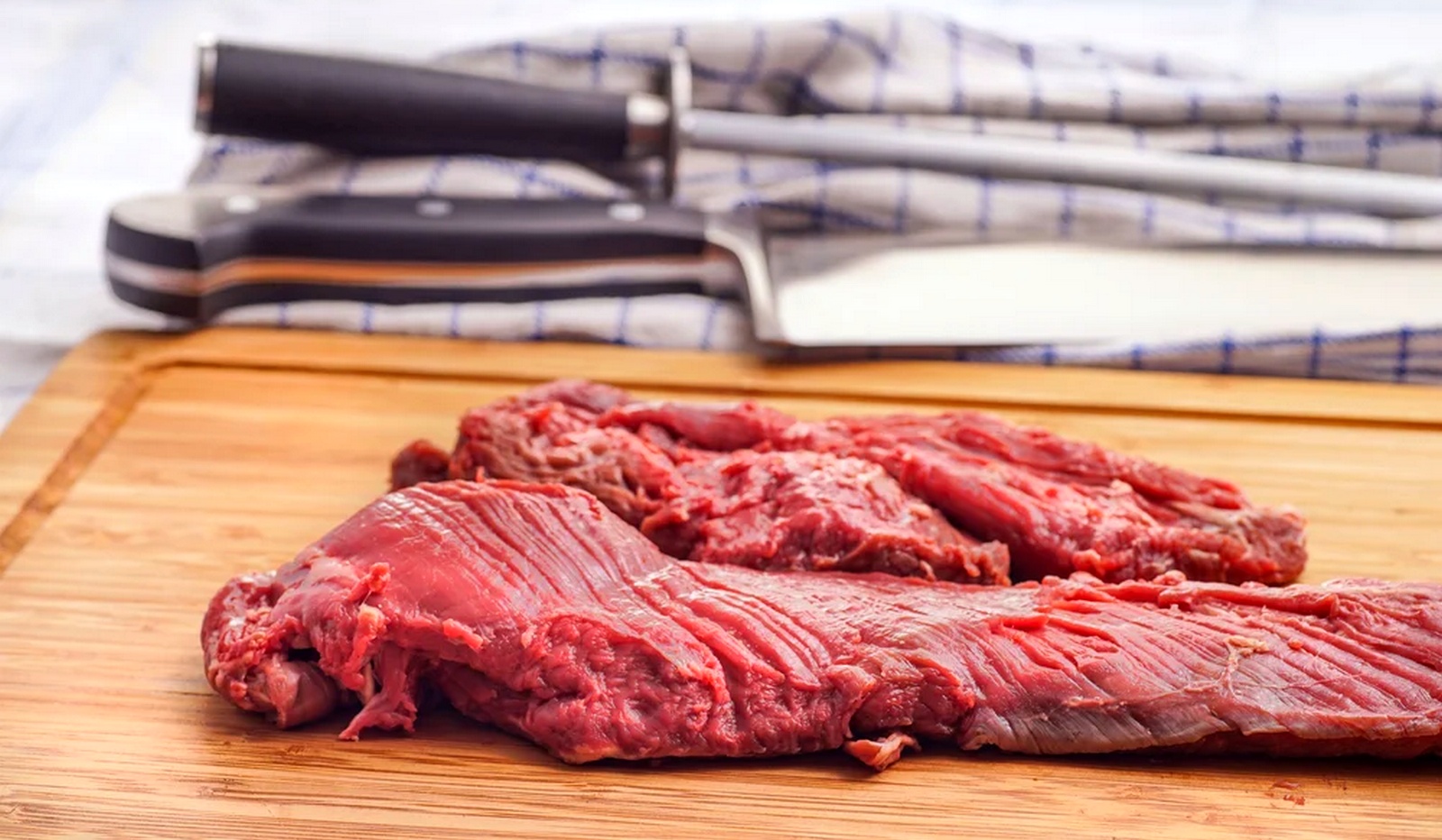
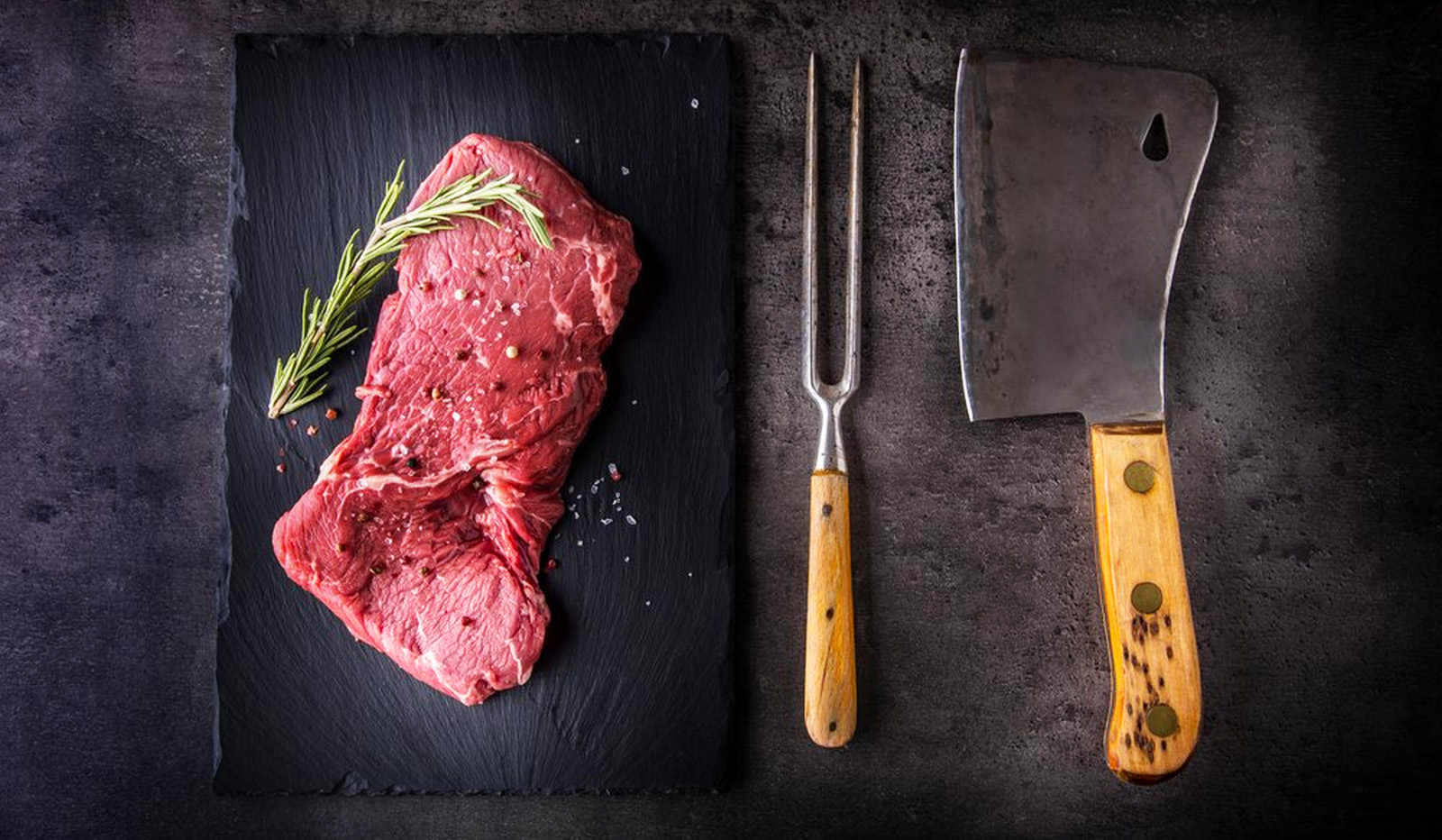
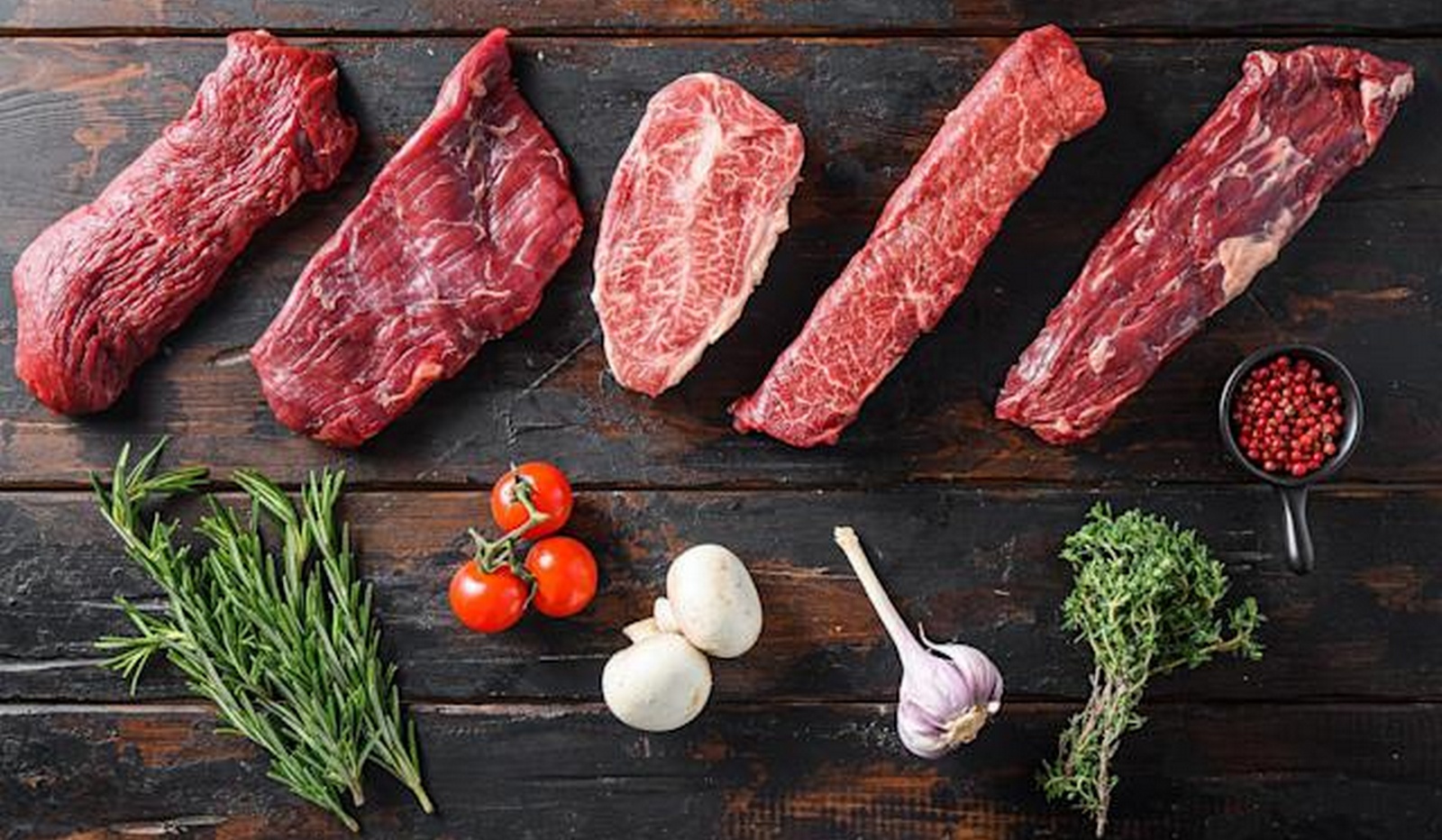
We’re used to thinking of meat in fairly simple terms: beef is beef, and a steak is a steak.
But when a waiter in a restaurant asks, ‘Would you like a New York steak or a ribeye? Or perhaps a fillet mignon?’, we simply choose whichever name appeals to us most.
Today, we want to share everything you need to know about classic (‘premium’) and alternative steak cuts—the different types available, the key differences between them, and what makes each one special.
If you’re planning to pop into a steakhouse one more time, or to cook a delicious steak yourself at home for dinner — read on.
Classic steaks
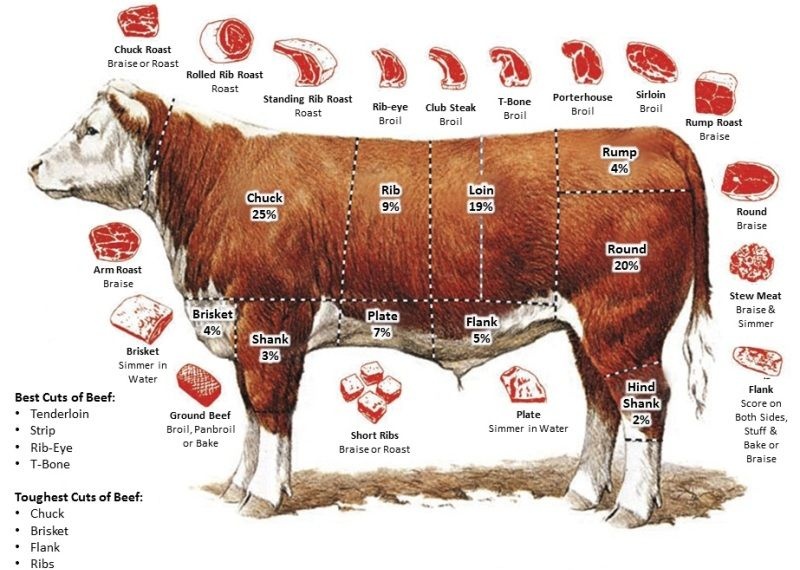
Classic steaks are cuts taken from the finest parts of the beef carcass. Specifically, they come from the muscles that do the least amount of work during the animal's life. Because they are not constantly contracting, the meat develops virtually no toughness or tension.
This means the meat has a soft, tender texture, is straightforward to cook, and literally ‘melts in the mouth’.
These muscles make up only 10–12% of the entire carcass, which is exactly why they are so highly prized.
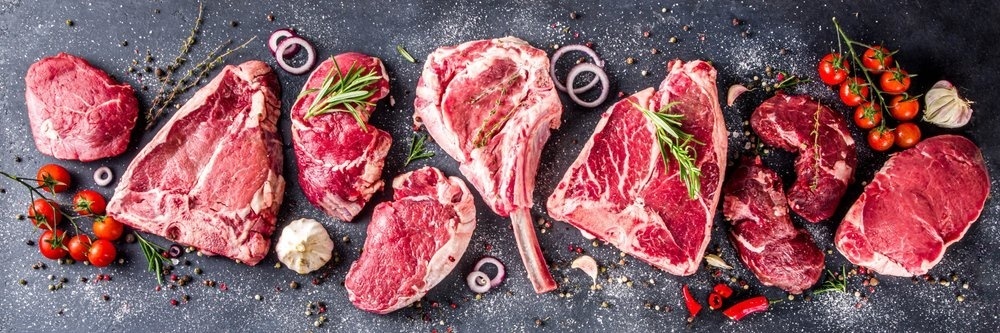
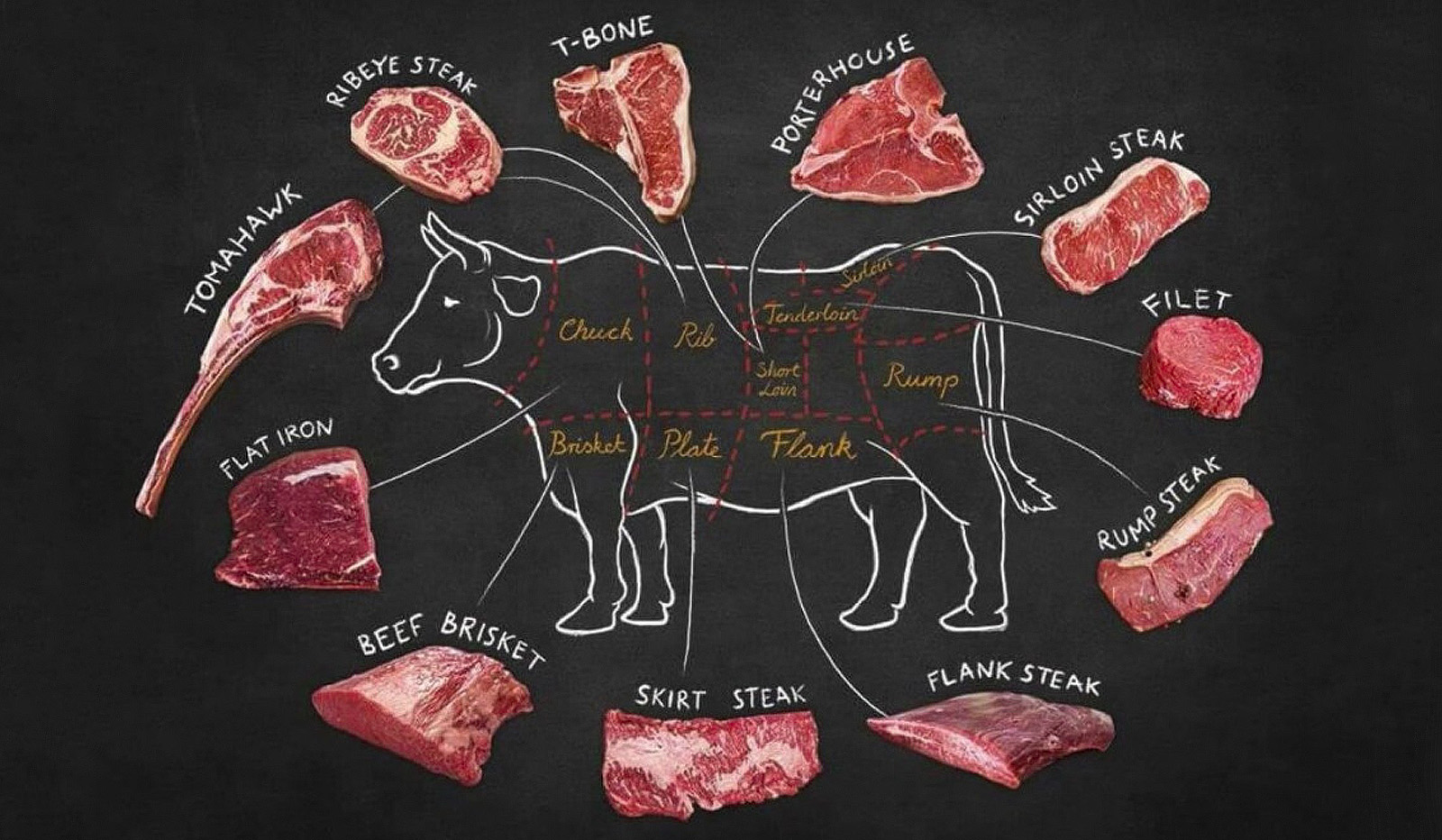
Classic steaks include:
Ribeye
Cowboy steak
New York strip
Club steak
Top Sirloin
Fillet Mignon
Chateaubriand
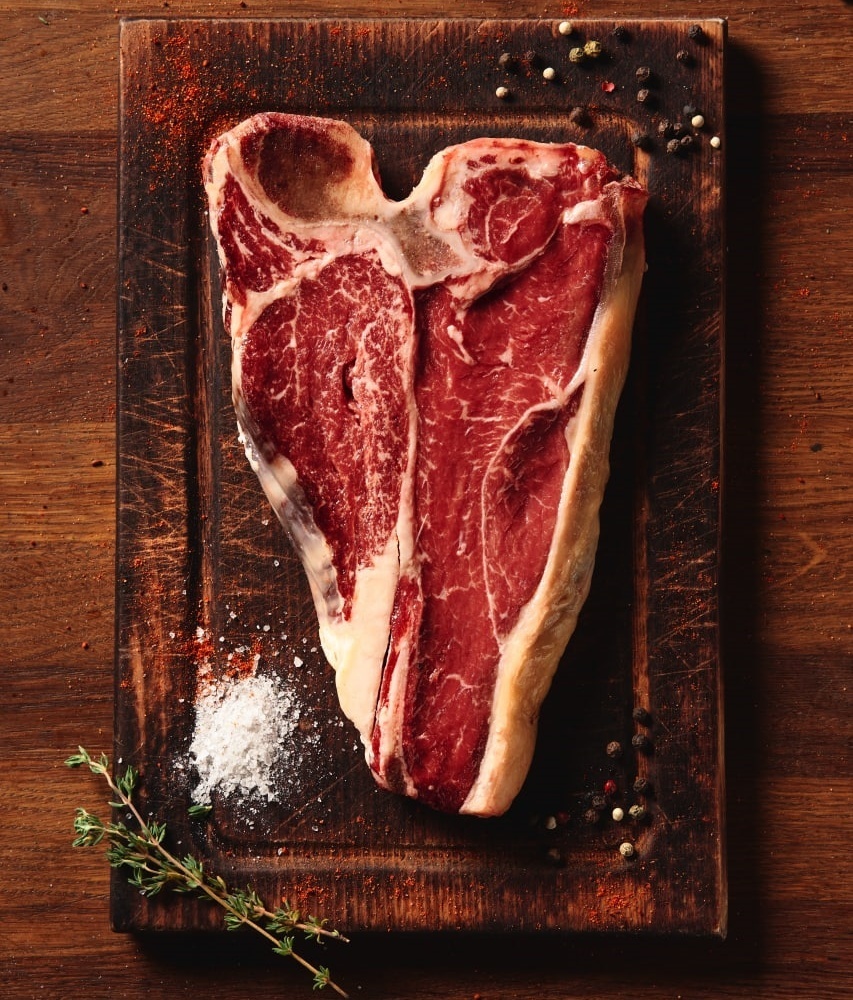
T-bone
Porterhouse
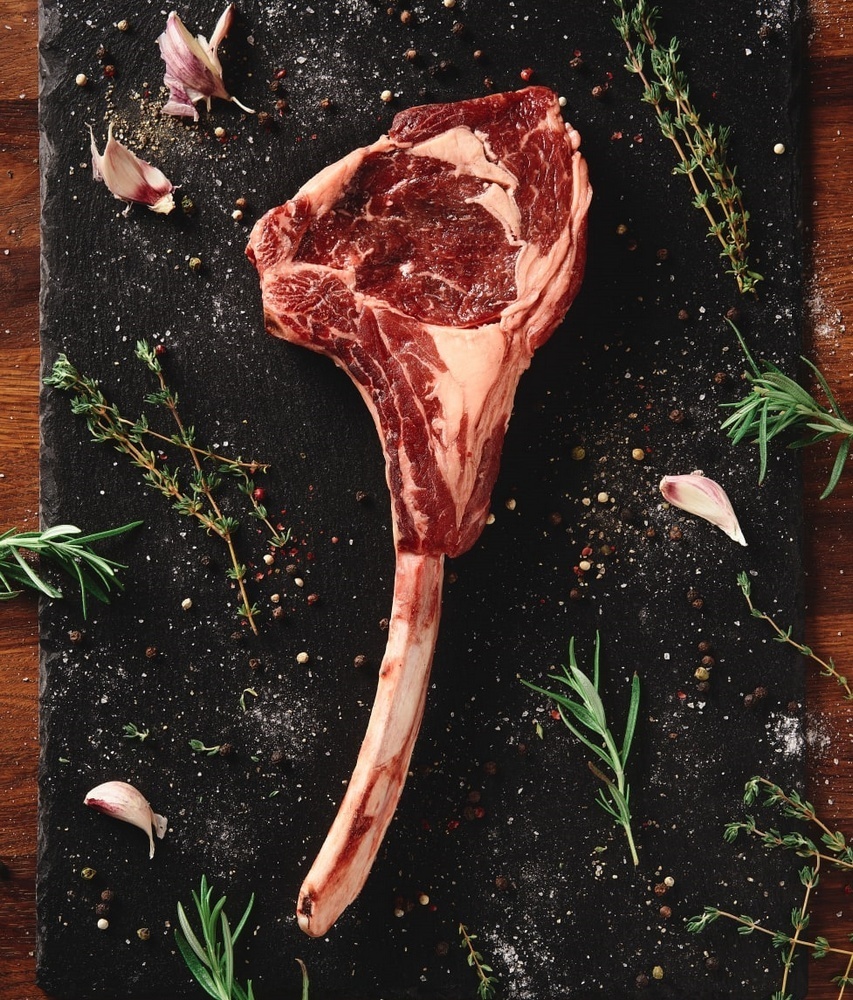
Tomahawk
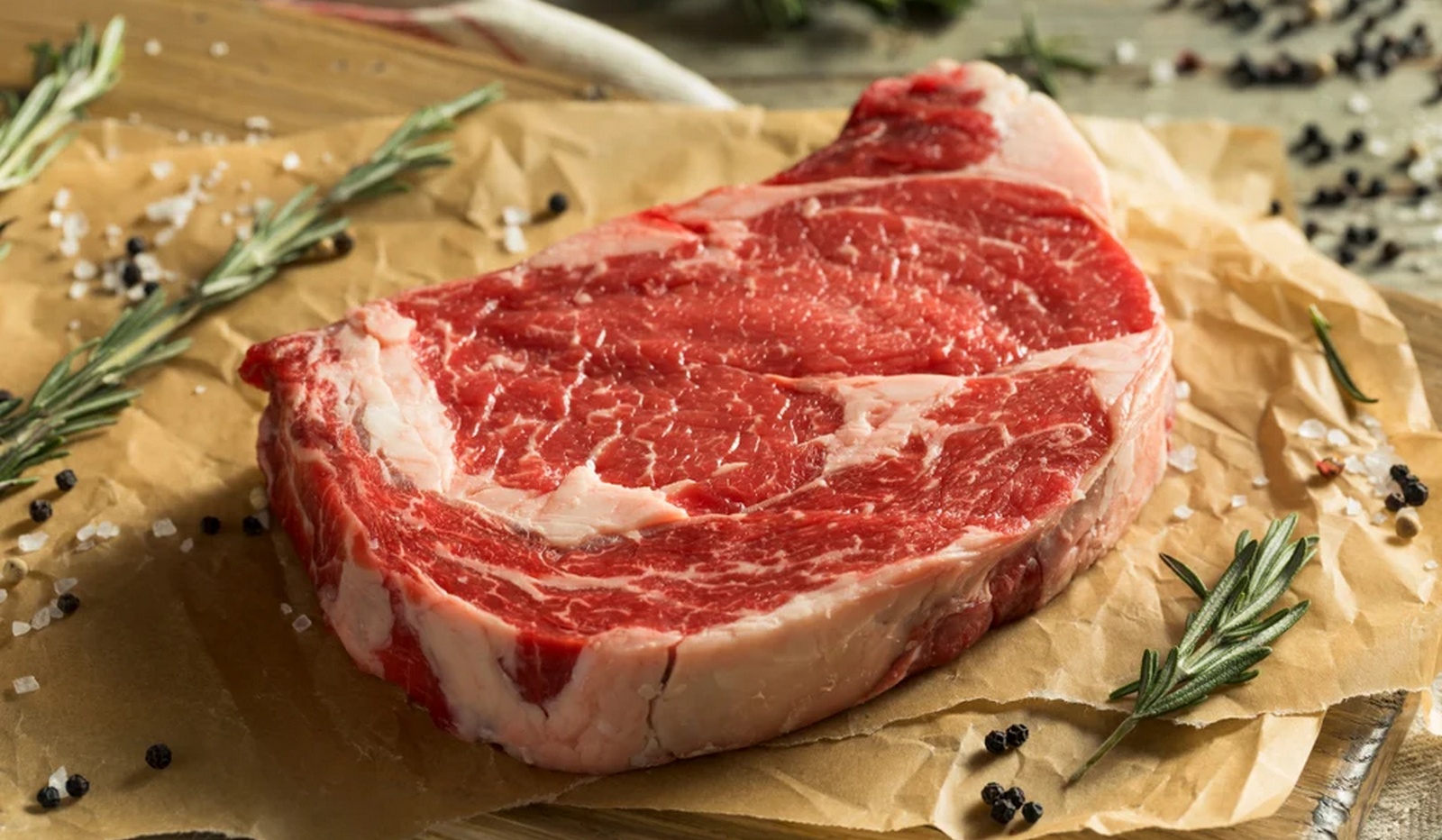
Ribeye steak
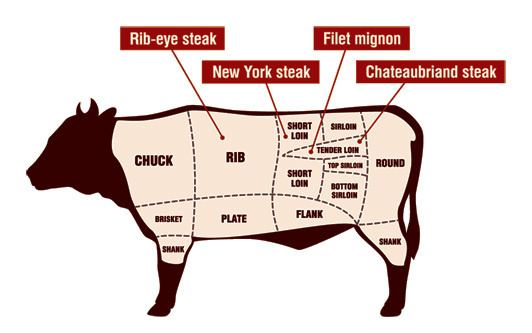
A classic. One of the most famous and exquisite steaks. The cut is taken from the thick edge of the back section of the bull’s rib cage, between the 6th and 12th ribs.
A distinctive feature of the ribeye is the significant amount of marbling, which is evenly distributed throughout the entire cut.
This makes it a very easy steak to cook, whilst also being very juicy with a buttery, nutty flavour.
Cowboy steak
This steak comes from the same prime cut of meat between the ribs and the spine as the Ribeye. The difference is that the Cowboy steak contains a small rib bone.
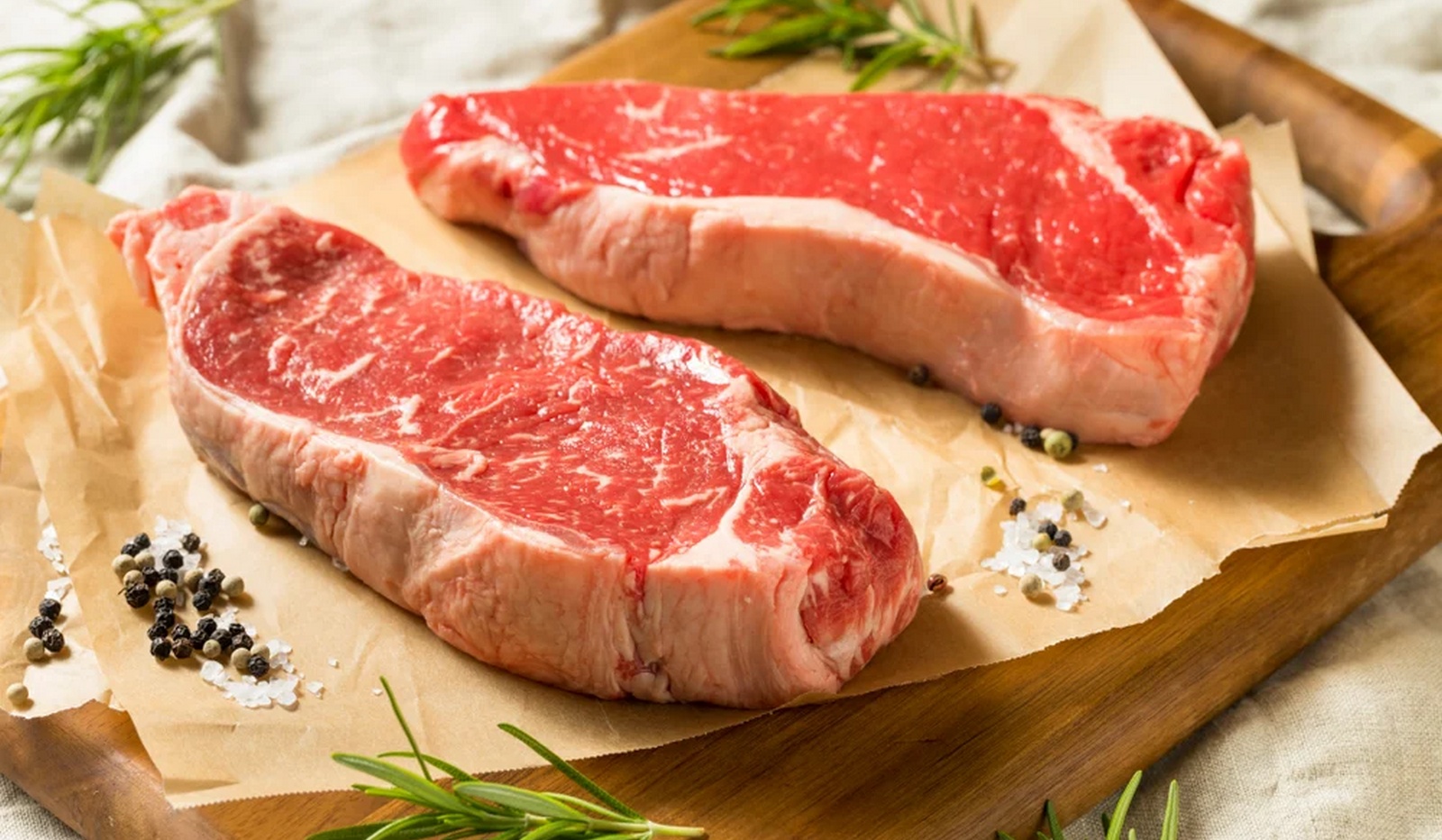
New York Strip Steak
The New York Strip is the second most popular steak. It is a cut from the thin front edge, located in the transverse section of the carcass after the 13th rib.
Distinctive feature: a thick strip of fat on one side. This helps the steak retain its juiciness even when seared at high heat. It has a concentrated meaty flavour.
If the strip of fat runs all the way round the perimeter, the New York cut becomes a strip loin.
Club steak
A Club steak is essentially the same tender striploin, but with the rib bone left in.
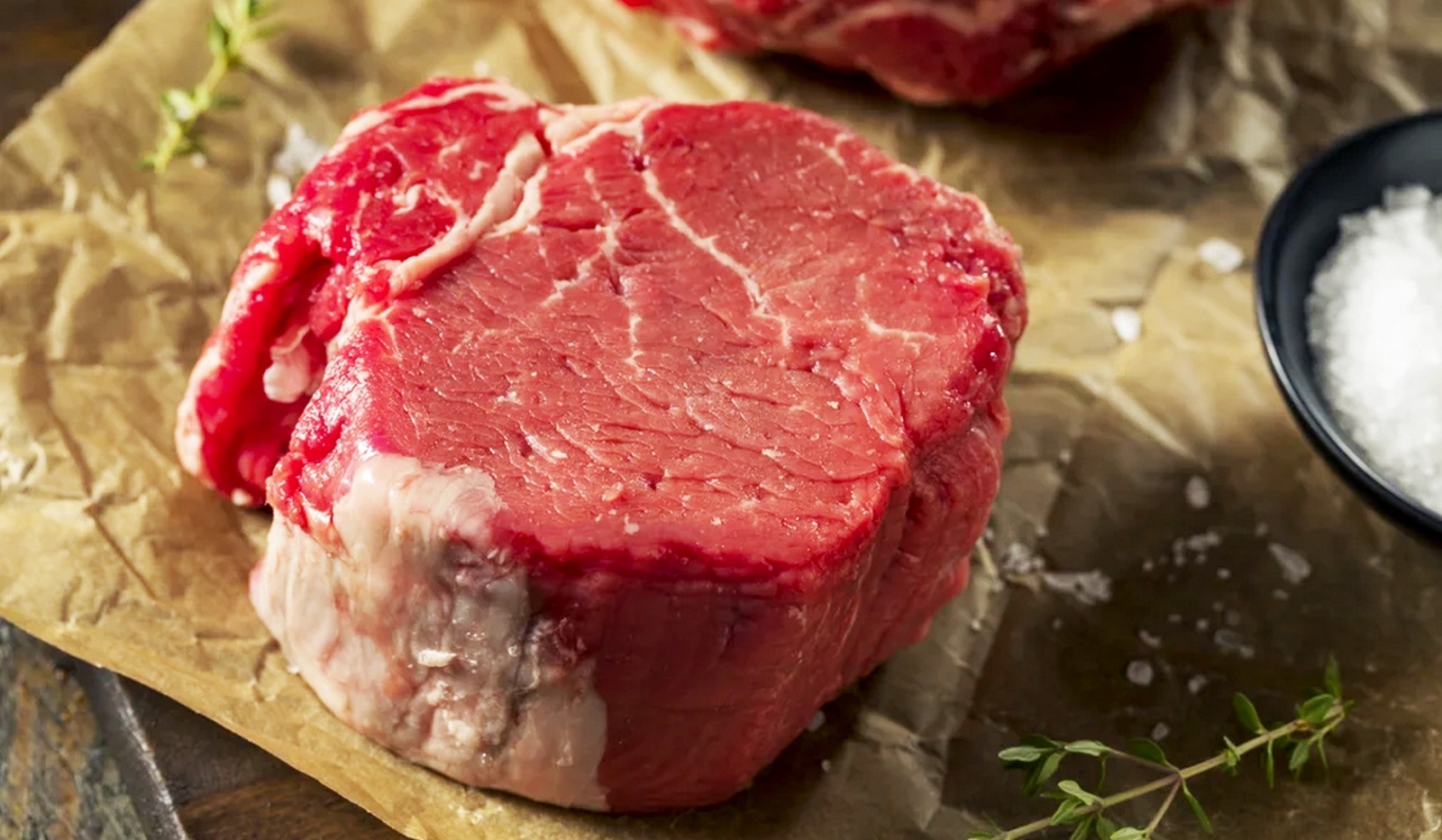
Filet Mignon
The most tender cut of meat from the entire carcass. It is cut from the front of the carcass from the large lumbar muscle — the ‘lazy muscle’ — which is hardly used at all when the animal is moving. The Filet Mignon contains virtually no connective tissue.
Even at a thickness of 5–8 cm, this steak cooks quickly and then melts in the mouth. It has a creamy, velvety tenderness, but lacks a pronounced meaty flavour.
Chateaubriand
Similar to a filet mignon, cut from the ‘lazy muscle’, but from its wider section.
Tender and soft. When pan-fried, it develops a crispy crust and a thin layer of well-done meat, whilst the inside remains tender.
It is cooked whole and is often shared between two people.
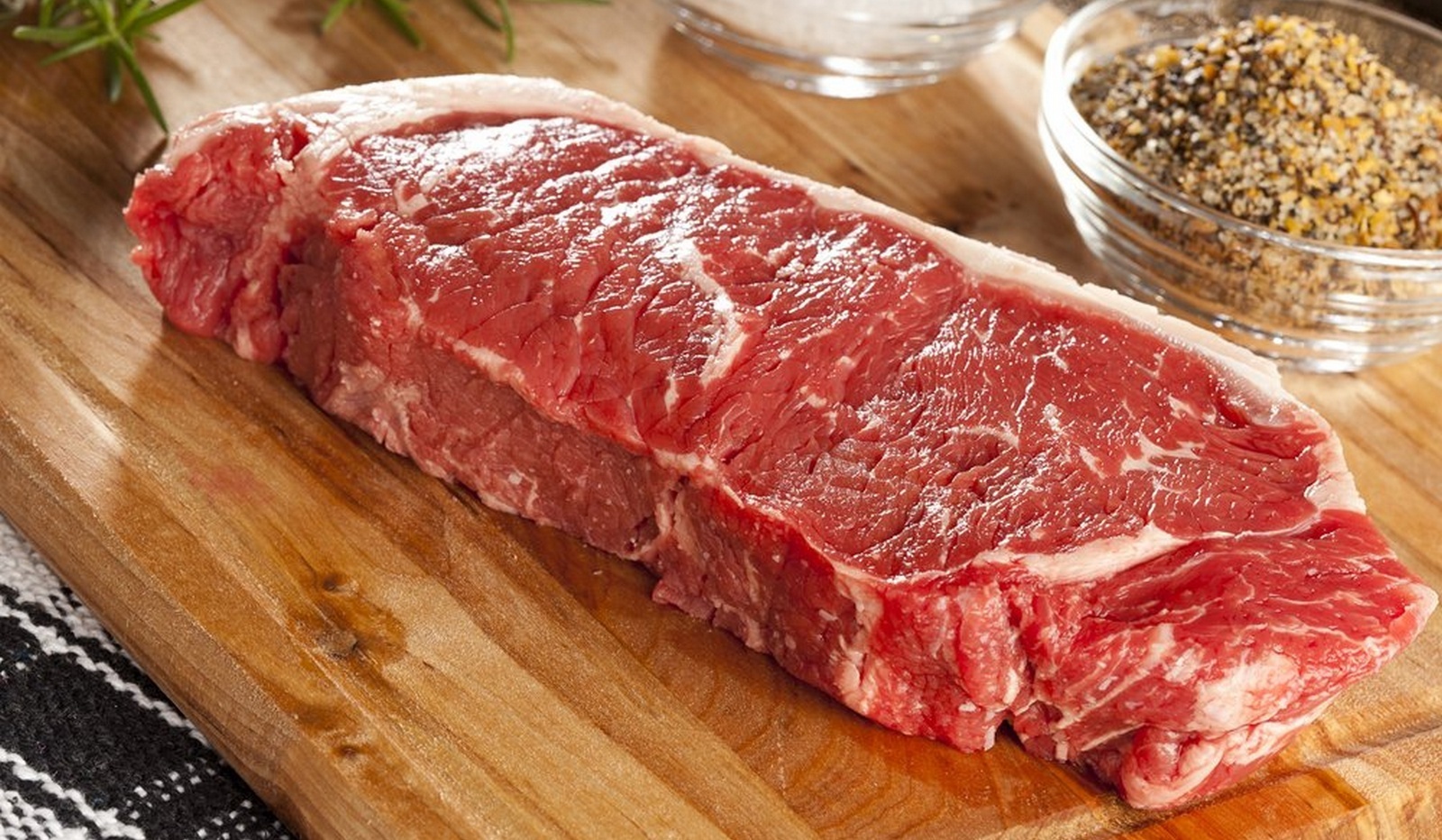
Top Sirloin Steak
A cut from the loin. It is cut from the lumbar region of the back, near the top of the tenderloin.
The meat is tender and flavourful. However, sirloin steaks can easily be overcooked, especially if you focus on the side of the steak where there is a layer of fat.
T-bone
The name perfectly captures its appearance.
It is a steak comprising two cuts of meat, separated by a T-shaped spine bone. On one side of the bone is a tender, lean sirloin; on the other, a robust striploin with a rich, meaty flavour.
Porterhouse
This steak is also known as a ‘large T-bone’ or ‘Florentine steak’. It is cut from the lower back, specifically at the thickest end of the fillet. It features two ‘types’ of meat: the sirloin and a generous portion of fillet. Its weight can reach up to 1.5kg.
Tomahawk
Exceptionally tender and juicy meat with a rich, pronounced flavour. The weight of a Tomahawk can reach up to 2kg. Essentially, it is a Ribeye steak served on a long, French-trimmed bone.
Picanha
A triangular-shaped steak cut from the top of the rump (also known as the rump cap). It is covered with an even layer of fat on top. Popular in Latin America, particularly in Brazil.
Picanha is prized NOT for its tenderness, but for its robust texture and rich, beefy flavour.
You can order the highest quality beef for your steaks here: Choose artisan meat
Alternative steaks
Alternative steaks are cuts from the more affordable parts of the carcass. These come from areas where the muscles were more actively used and bore more weight during the animal’s life, contracting with movement.
Consequently, the texture of the meat is not as tender compared to premium steaks.
However, alternative steaks do NOT fall short of the classics in terms of flavour; the difference lies rather in how they are sourced and their overall texture.
Therefore, they are slightly more challenging to cook, as you need to remember to tenderise the meat—either by pounding or marinating it.
Alternative steaks include:
Chuck roll
Denver steak
Flank steak
Round steak
Skirt steak
Machete steak
Butcher’s steak (Hanger steak / Onglet)
Top blade
Vegas Strip
Rump steak
Shoulder tender
Tri-tip (Santa Maria steak)
Chuck Roll Steak
A tender, juicy cut of meat taken from the long dorsal muscle between the shoulder blade and the ribs. It contains almost no layers of fat. Its elongated shape makes it resemble a classic fillet.
In terms of flavour, it is similar to Ribeye, but it is more sinewy and a bit tougher. It requires marinating.
Denver Steak
A steak cut from a small muscle located between the neck and the shoulder blade. This is the most tender part of the chuck section. The Denver steak is juicy and more tender than the chuck roll. After marinating, it develops a truly unique flavour.
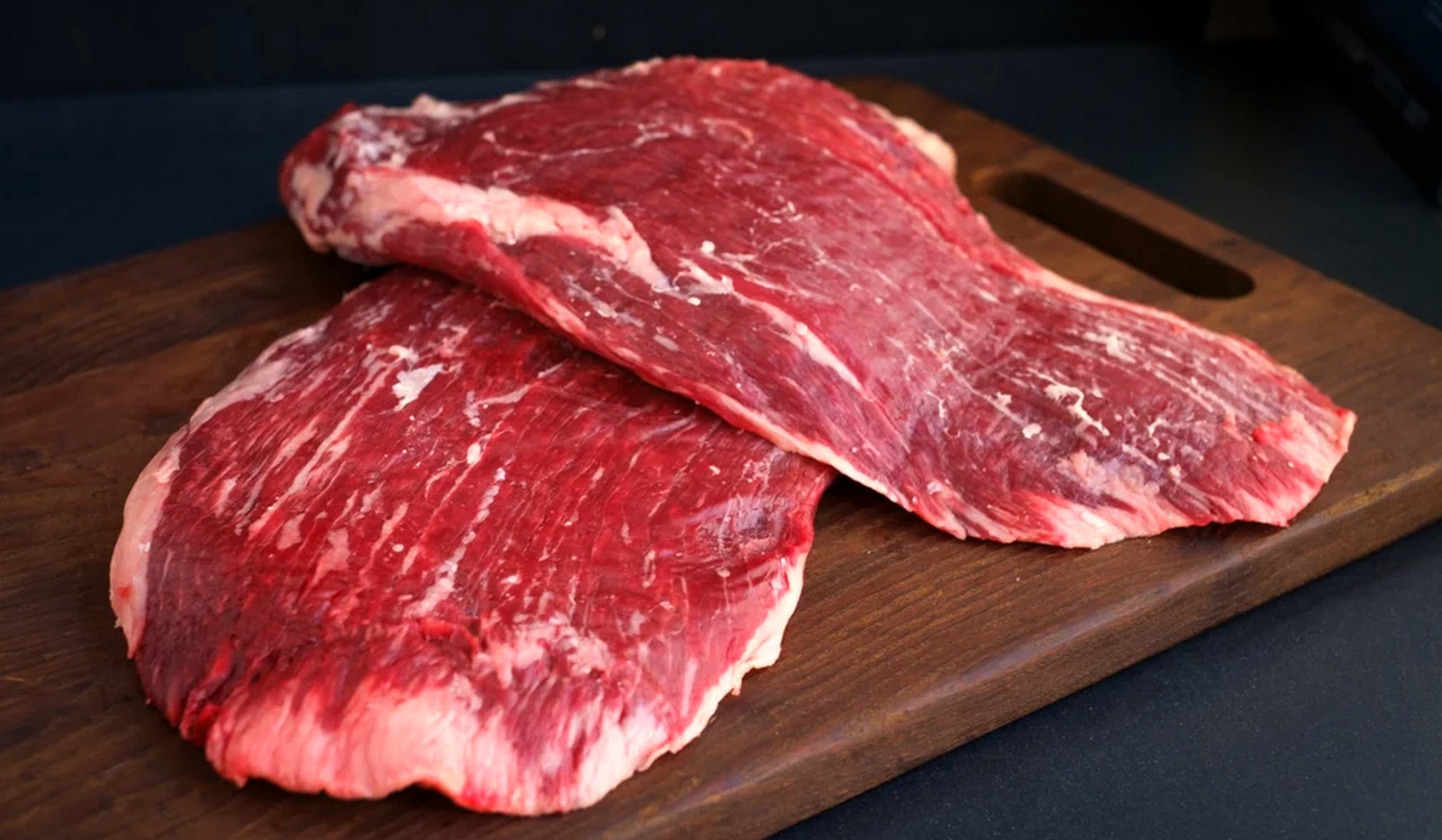
Flank Steak
A cut from the lower belly, closer to the hind leg. This is a relatively tough piece of meat, characterised by coarse, long fibres.
The flavour is bold, with a highly pronounced, rich beef aroma. It is highly recommended to marinate this steak before cooking.
Round steak
A rather tough-textured steak cut from the hind leg muscle. It must be marinated before cooking.
A Round steak can even be ‘pounded’ (tenderised with a meat mallet). Afterwards, it is best cooked in the oven or on the grill.
Skirt steak
This is a cut of meat taken from the animal’s diaphragm (the abdominal area closer to the ribs). Although this muscle group works hard during the animal's life, the inner part of the steak remains tender.
While Skirt is not the most tender steak, it is incredibly flavourful, juicy, and features a first-class layer of fat. Before cooking, it is highly recommended to trim off the silverskin and marinate the meat.
Machete steak
A long, thin steak cut from the diaphragm. It gets its name from its shape, which resembles a Latin American agricultural knife. It should be cooked using similar principles to a Skirt steak.
Butcher’s steak (hanger steak / onglet)
A steak from the thick, meaty part of the diaphragm. It features a moderate degree of marbling, a robust beefy flavour, and an incredible aroma. The meat is tender because this muscle does very little work during the animal’s life.
The name comes from the tradition of butchers keeping this cut for themselves rather than putting it up for sale (and butchers certainly know best!).
Top blade
A steak from the outer part of the shoulder, presenting as a wide, long piece of meat. It is the second most tender part of the carcass after the fillet.
Being one of the most tender alternative steaks, it is a firm favourite among chefs worldwide.
The connective tissue running through the centre of the steak becomes 'rubbery' when cooked, so it is generally recommended simply to eat around it.
Vegas strip
The newest type of steak, first identified in 2012. Taken from a part of the shoulder that was traditionally used for mince, all the excess is trimmed away, leaving just the pure muscle.
In terms of flavour, it is reminiscent of a Sirloin, but with a firmer texture. It is one of the very few alternative steaks that does NOT require marinating.
Rump steak
Cut from the muscles in the hindquarters of the animal. Because these muscles are constantly working throughout the animal's life, the meat has a firmer bite. However, the price point is much more affordable than premium steaks. The Rump also boasts a brilliant, rich beefy flavour.
It is important to marinate it for 6–8 hours before cooking.
You can buy steak meat with delivery from the ‘Private Butcher’ online shop: Order beef
Tips for cooking classic and alternative steaks
Classic steaks are quicker and easier to cook. The meat has a tender texture and doesn’t need (and in fact, it’s even harmful!) to be marinated.
All you need is some olive oil, salt and pepper to fry a steak.
When it comes to alternative steaks, however, a little more effort is required to achieve a softer texture, tenderness and juiciness.
You need to take the steak’s fat content into account to decide whether or not to marinate it; sometimes it’s better to cook the steak in the oven to tenderise the meat.
That said, alternative steaks can be marinated in various marinades, which gives them additional flavour notes.
You can order classic and alternative steaks of the very highest quality from free-range, grass-fed animals via the ‘Private Butcher’ online meat shop.
We stock only artisanal meat. Steaks are delivered straight from the farm to your table within 1–2 days: