Lamb 10/10: how to choose the right cut and cook it properly
Hooray! Now you don’t have to go to a restaurant to enjoy some delicious, juicy lamb! 🤤
Although lamb may not yet be a traditional meat in Britain, high-quality, properly cooked lamb is delicious, healthy and 100 per cent worth trying.
We’ve put together a comprehensive guide covering nutritional information, marinade recipes and methods for cooking lamb, as well as some tips to help enhance the flavour.
Lamb — the choice of Middle Eastern meat connoisseurs
Historically, mutton and lamb have been eaten more widely by people in the Middle East, India, the Mediterranean, Australia and New Zealand.
For them, it is a traditional meat served on special occasions such as festivals, romantic dinners and family gatherings – just as we serve pork or beef.
That’s just how it has historically developed.
But why shouldn’t we Europeans embark on a gastronomic journey into a different culinary culture right in our own kitchens? 😉
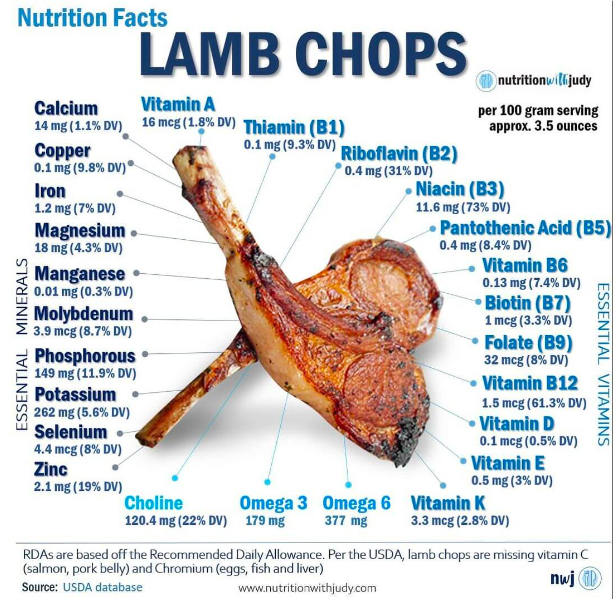
Lamb is a low-calorie food rich in protein, minerals and vitamins, and contains 30 per cent more iron
Lamb is a much leaner meat than pork, and is also lower in calories than even lean beef.
But it is certainly NOT inferior in terms of its protein, micro- and macronutrients, minerals and vitamins.
Let’s look at the facts. Lamb contains:
Lower cholesterol content (29 mg%, compared to 75 mg% in beef and 74–126 mg% in pork)
Zinc and fluoride
Iron — 30% more than in beef
Potassium, sodium and magnesium salts
Lecithin
Calcium, iodine, phosphorus, sulphur and zinc
Higher levels of vitamins P, E, B1, B2 and B12
It is almost entirely free from Mycobacterium tuberculosis and is very rarely contaminated with pathogens causing parasitic infections
How is this beneficial for the body?
Iron affects energy levels, concentration, gastrointestinal processes and the immune system, and plays a role in blood formation
Iodine ensures the normal functioning of the thyroid gland
Fluoride protects teeth from tooth decay
Lecithin helps prevent diabetes by stimulating the pancreas and normalising cholesterol metabolism
Potassium, sodium and magnesium salts have a positive effect on heart and blood vessel function
The risk of atherosclerosis is reduced
Lamb broths are beneficial for people suffering from gastritis with low acidity
How to choose lamb: 5 important points to bear in mind
The flavour of a steak depends very much on the quality of the meat. It is therefore important to choose carefully.
After all, if the meat is stale, over-frozen (or frozen incorrectly), or ‘old’, neither the grill, nor spices, nor an overnight marinade, nor even the finest sauces will save the dish.
So what should you look out for when choosing lamb?
Cuts. The best cuts for steaks are from the neck, leg, as well as the fillet and ‘rump’. Remember this simple rule: the older the lamb, the tougher the meat will be.
Colour. When choosing meat, opt for cuts with a slightly pale pinkish-red colour.
Marbling. This adds juiciness and tenderness to the steak. It’s best to choose cuts with fine marbling. During cooking, this will help make the meat more flavourful.
Colour of the fat marbling. Make sure it is white. A yellow colour indicates that the lamb was old. Unlike mature lamb, young lamb has a pleasant aroma and a tender texture.
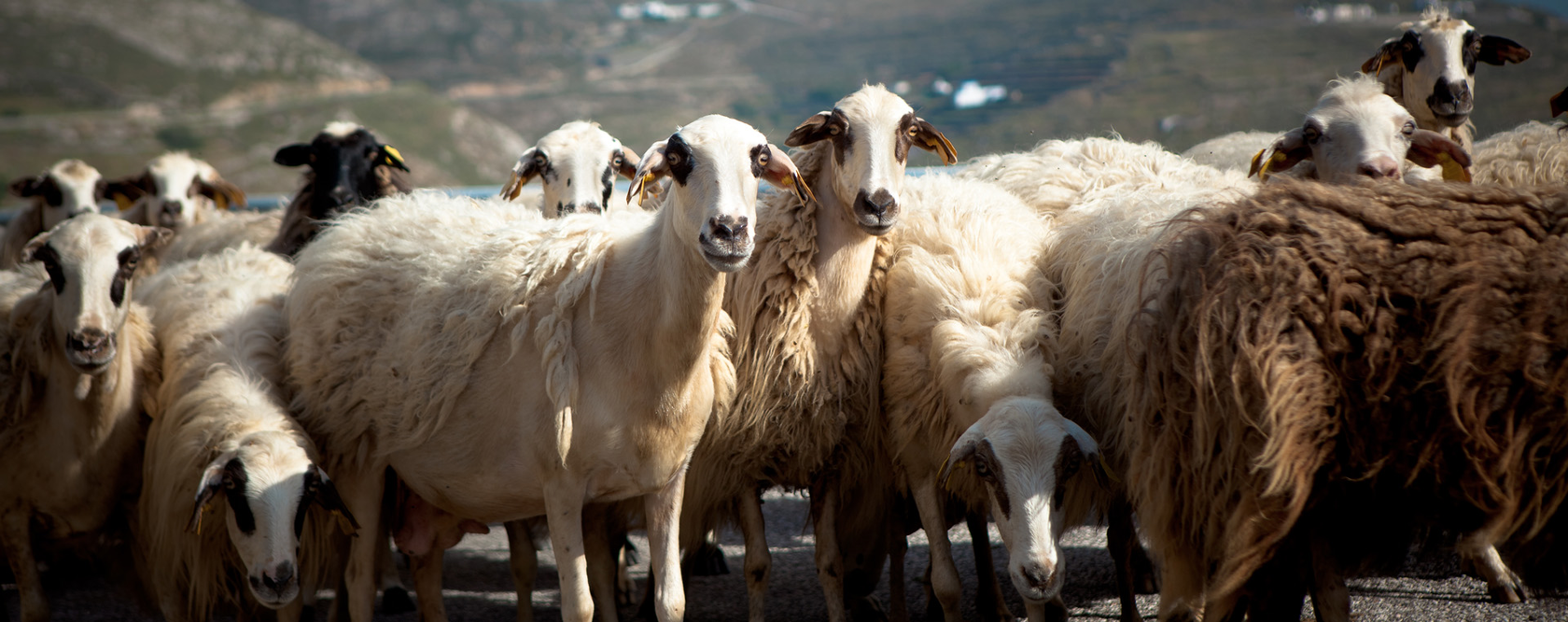
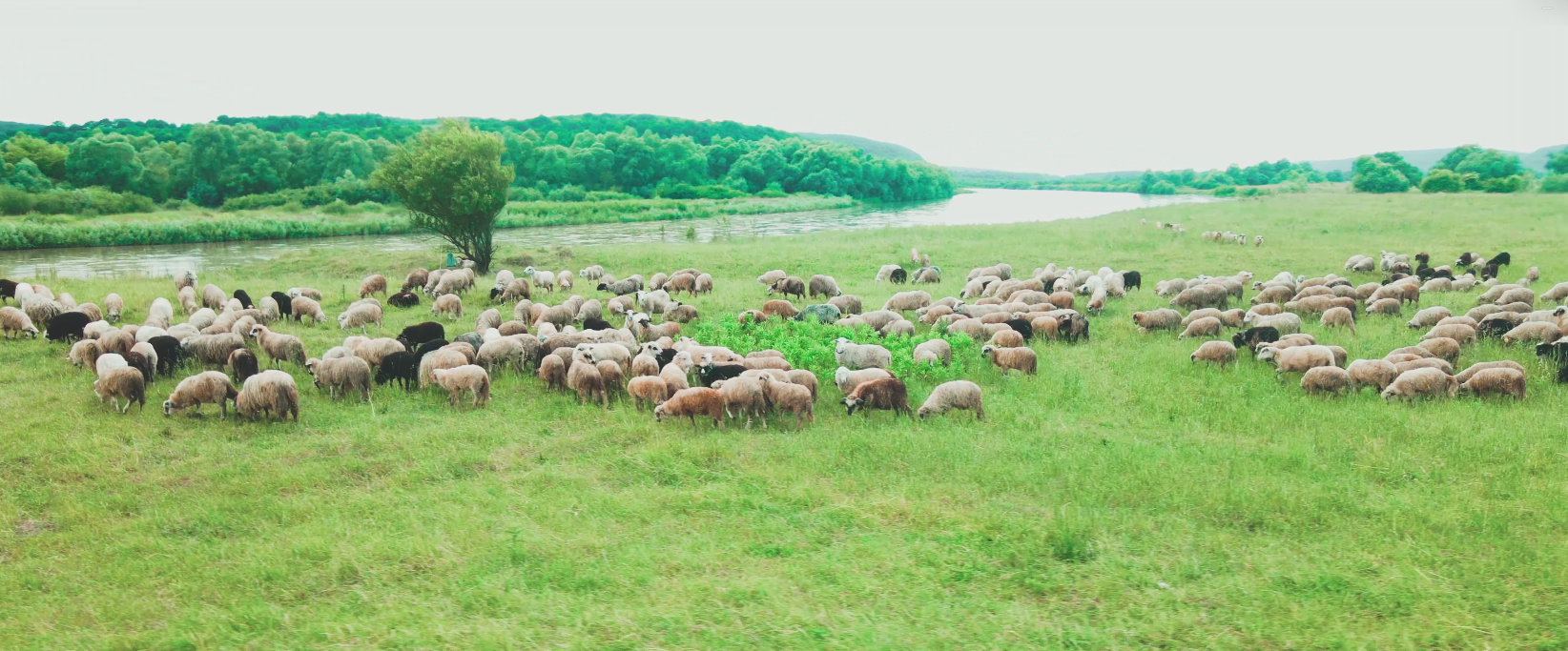
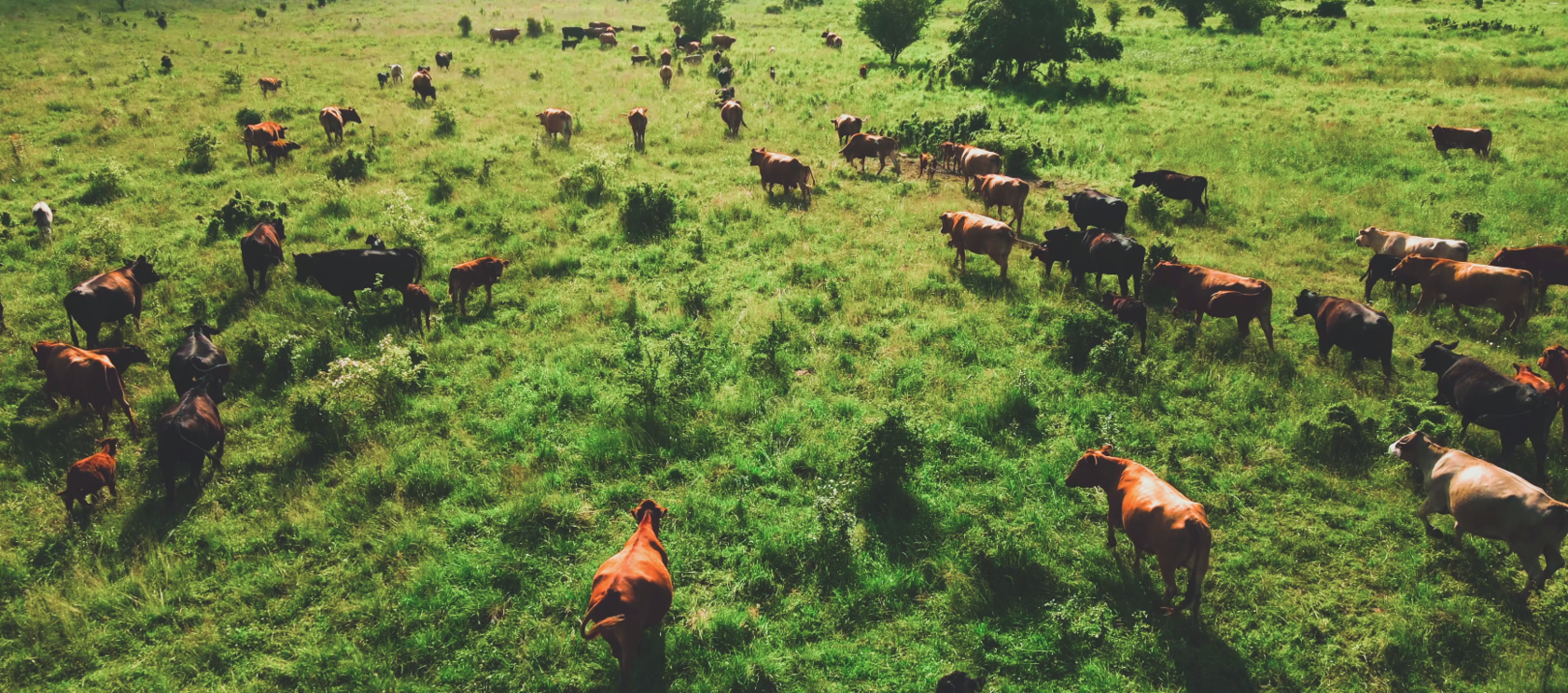
Feeding and living conditions. For the quality of the meat, it is important that the animal grows up happy and healthy, in the open air, and is fed a proper and wholesome diet.
On ‘Private Butcher’ farms, all animals are reared exactly like this — free-range and grass-fed. No feed additives, hormones or antibiotics.
Let’s take a look at the different types of cuts and how they differ.
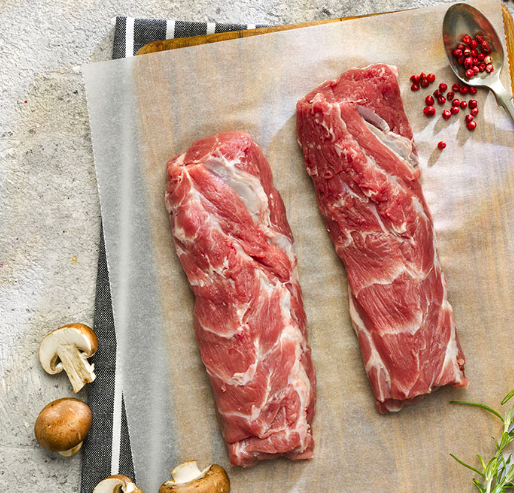
Lamb loin fillet
This cut is taken from the back of the lamb. It is renowned for its exceptional softness and tenderness, as this muscle does very little work, meaning the meat is completely free from tough fibres.
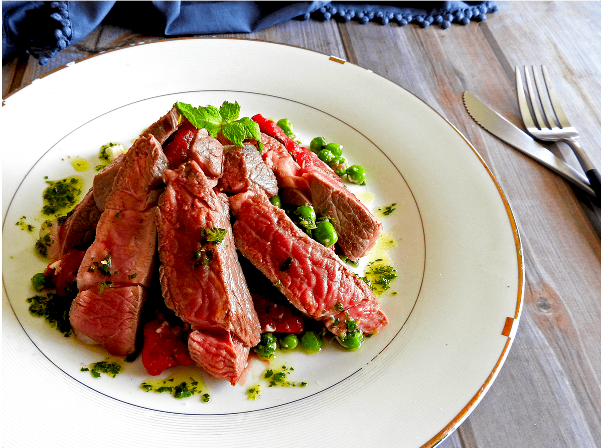
Lamb loin is a wonderfully lean cut. It can be sliced and pan-fried, or grilled with spices, then simply cut into thick strips and served with your favourite sides (more on recipes a bit later!).
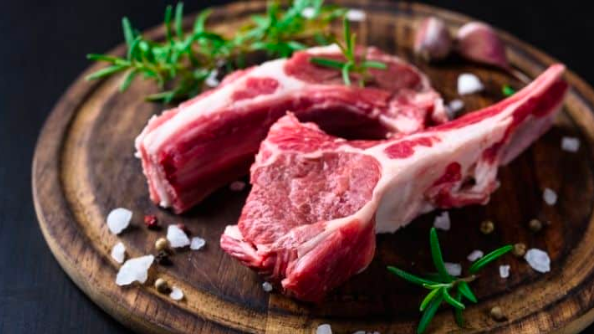
Rack of lamb
This succulent cut is taken from the rib section of the lamb. A rack of lamb is incredibly tender, thanks to the beautiful marbling of evenly distributed intramuscular fat.
It boasts a delicately sweet flavour and is guaranteed to impress your guests. It looks visually spectacular and is absolutely mouth-watering.
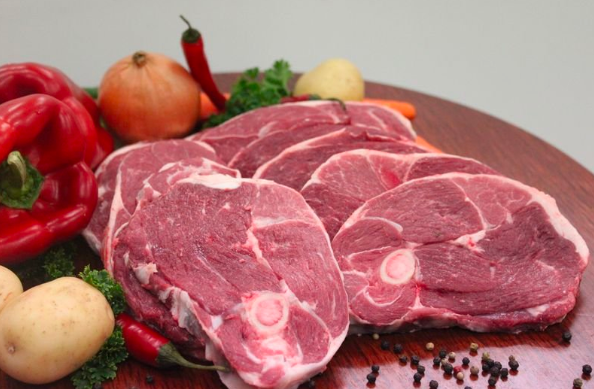
Lamb leg & steaks
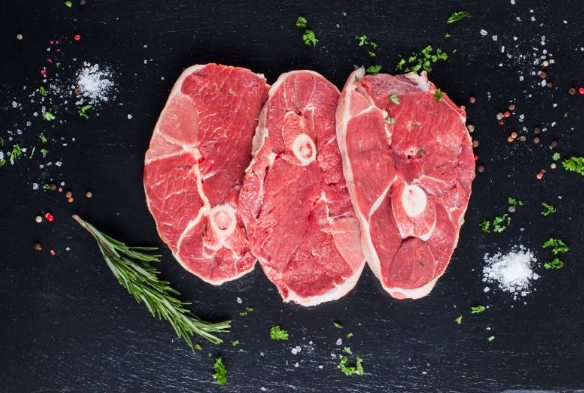
The hind leg is the meatiest part of the lamb. The fillet cut from the leg is wonderfully succulent, boasts a delightfully firm texture, and offers a very mild flavour with no overpowering aroma.
This cut is incredibly versatile and perfect for a wide range of dishes: traditional pilaf, lamb lagman, or a hearty meat and vegetable stew.
For the more adventurous home cook, we highly recommend trying a properly marinated, pan-fried lamb leg steak.
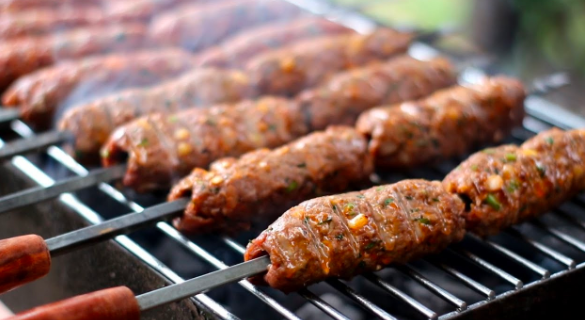
Free-range lamb lula kebab
This authentic kebab features finely minced free-range lamb blended with onion, carefully moulded onto a skewer and ready for the charcoal grill. For a perfectly balanced texture, the meat is enriched with minced veal and chicken. We keep the seasoning pure and simple: just fresh coriander, parsley, salt, and black pepper.
Cooking is effortless — simply turn the skewers over a pre-heated BBQ for 10 to 15 minutes.
Traditionally served on a warm lavash flatbread, accompanied by fresh herbs and grilled vegetables.
Should you marinate lamb?
Yes! And it’s delicious and keeps well. The meat will become more tender, juicy, succulent and flavourful.
The best option for lamb and mutton is to marinate them for 8–10 hours.
A classic recipe for lamb marinade
How do you marinate lamb? It’s easy :) Here’s the recipe.
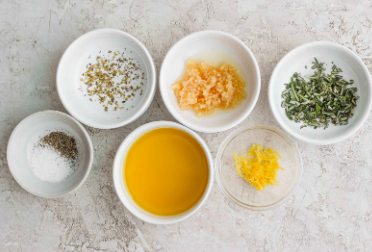
You’ll need:
Olive oil or avocado oil — 4–5 tbsp
Garlic — 3–4 cloves
Fresh rosemary or dried rosemary — 1 sprig or 1 tbsp
Lemon zest and lemon juice — half a lemon
Salt and ground black pepper
What to do:
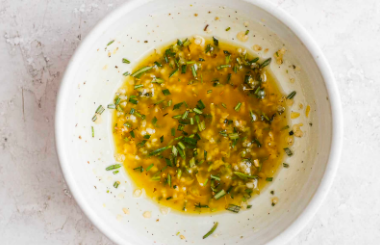
It’s simple. Mix the ingredients together.
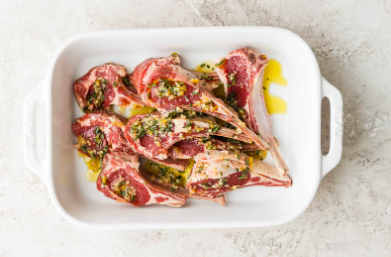
Then place the meat in the marinade. You can use ceramic dishes, glass baking tins or even ordinary zip-lock bags.
Leave the meat to marinate for at least a few hours, or preferably overnight in the fridge. Believe me, it’s well worth it.
Pomegranate juice marinade
Let’s add a touch of sophistication.
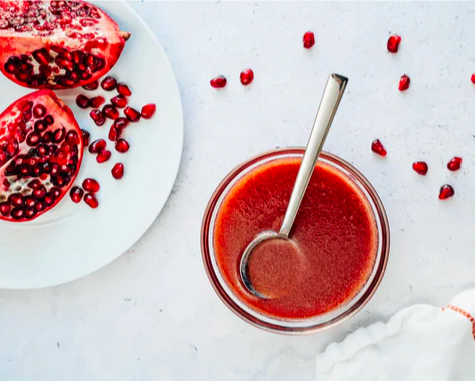
One of the simplest yet most delicious marinades for lamb is a pomegranate juice marinade.
Take (for 5kg of meat):
Pomegranate juice (fresh or shop-bought) — 500ml
Soy sauce — 50ml
Curry powder — 1tsp
Ground black pepper — 0.5tsp
Dried basil — 1tsp
Salt — to taste
Method:
Mix everything together in a bowl or other container (just NOT one made of aluminium) and you’re done! You can now dip the meat into the marinade :)
If you have less than 5 kg of meat, you can reduce the quantities of the ingredients proportionally.
Leave the meat for a few hours or overnight (in the fridge).
And now — time to cook!
The classic lamb steak
How to cook the perfect lamb steak?
You will need:
Boneless leg of lamb steaks — weighing approximately 700–800 g (available to order here) or 2 bone-in steaks weighing 350–400 g each (available to order here)
Olive oil — ½ tbsp
Salt and pepper — to taste
Garlic — a few cloves, optional
What to do?
Step 1.
Take the marinated meat out of the fridge. Pat the meat dry with kitchen paper to remove any excess moisture. Do not wash the meat, especially under running water.
Step 2.
Heat the grill or frying pan until very hot. Add a little olive oil to the grill or frying pan.
Step 3.
Cook the meat.
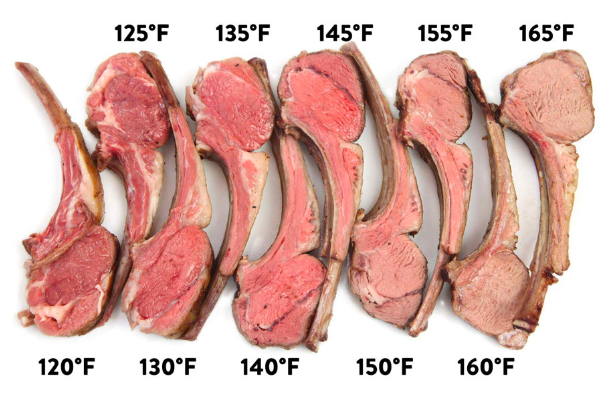
4 minutes on each side for Medium Rare (if you have a meat thermometer, this is 51–54°C (125–130°F))
5 minutes on each side for Medium (57–60°C (135–140°F))
Don’t forget the sides. 15–30 seconds on each side will be enough.
If you don’t have a meat thermometer, go by the cooking time and the colour of the meat.
For a little extra flavour, you can add a few cloves of garlic to the frying pan.
To get rid of any strong lamby smell (if there is one), fry the meat with two lemon wedges.
Step 4.
Remove the meat from the frying pan, wrap it in foil and let it ‘rest’ for 5 minutes before serving.
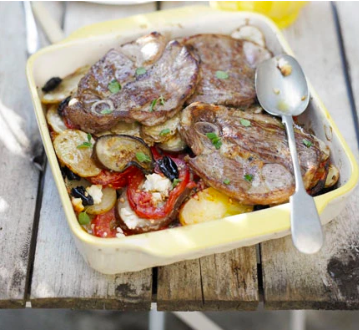
Recipe: Greek-style lamb with potatoes and olives
Shall we try a tasty recipe? It might not seem quite traditional… But it’s received so many rave reviews that I simply can’t resist sharing it with you.
You will need:
Lamb steaks — 2 or 4
Medium-sized potatoes, peeled and thinly sliced — 800g
Large tomatoes, thinly sliced — 4
Aubergine, thinly sliced — 1
Minced garlic — 4 cloves
Oregano (spice) — 3 tbsp + 1 tbsp for sprinkling
Pitted olives, halved — 85g
Olive oil — 5tbsp
Crumpled feta cheese — 100g
Salt — to taste
Method:
Step 1.
Preheat the oven to 200°C. Place half the potatoes (approximately 400 g), tomatoes and aubergines in a baking dish. Sprinkle with garlic, oregano and olives, and drizzle with olive oil.
Step 2.
Spread the feta on top, then repeat the ‘layers’ (potatoes, tomatoes…) until all the ingredients are used up. Top with a few more potatoes and drizzle with oil. Season with salt to taste.
Step 3.
Bake in the oven for 50 minutes at 180°C, or until the vegetables are tender (cover with foil if they start to brown too much).
Then place the lamb steaks on top, brushing them with a little more oil and seasoning. Bake for a further 15–20 minutes, until the lamb is cooked through. Leave the dish to ‘rest’ and cool slightly, then sprinkle with oregano again.
Serve with crusty bread.
The finer points of cooking lamb
To ensure the steak keeps its shape, make slits around the edges
Lamb ‘loves’ salt, so season the meat generously
Use a powerful grill or cook in a very hot, ‘sizzling’ frying pan; this will create an appetising crust, whilst keeping the meat juicy on the inside
After cooking, leave the steak to ‘rest’ for a while — wrapped in foil for 5–10 minutes
Sear the meat on all sides, including the sides. To do this, tilt the frying pan or use tongs to ‘brown’ the sides of the steak for 15 seconds each
To get rid of any distinctive lamby smell (if present), fry the meat with two lemon wedges.
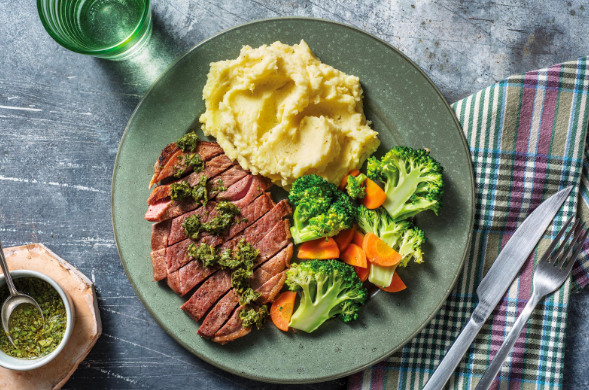
A rack of lamb steak goes wonderfully with potatoes, vegetables and mustard sauce.
Rosemary, oregano and thyme are all suitable spices for this meat (but don’t be afraid to experiment!)
Where can I buy lamb in the UK?
For a lamb dish to be both tasty and healthy, the meat must be of the very highest quality.
You’ve seen the selection criteria above. It’s important to order lamb only from tried-and-tested producers you can trust.
For example, from the ‘Private Butcher’ online craft meat market.
All the meat and animal products we sell are prepared as if they were for our own families.
The animals are reared on farms, fed a grass-based diet, without any antibiotics, hormones or feed additives.
The farmers look after every animal.
We deliver the meat, including lamb, properly packaged and kept at the correct temperature. And we do it quickly too! The meat will be in your kitchen within 1–2 days.